Accelerated Innovation Delivery Initiative (AID-I) Mozambique
Partner: International Institute of Tropical Agriculture (IITA)
Location: Nampula and Zambézia Provinces
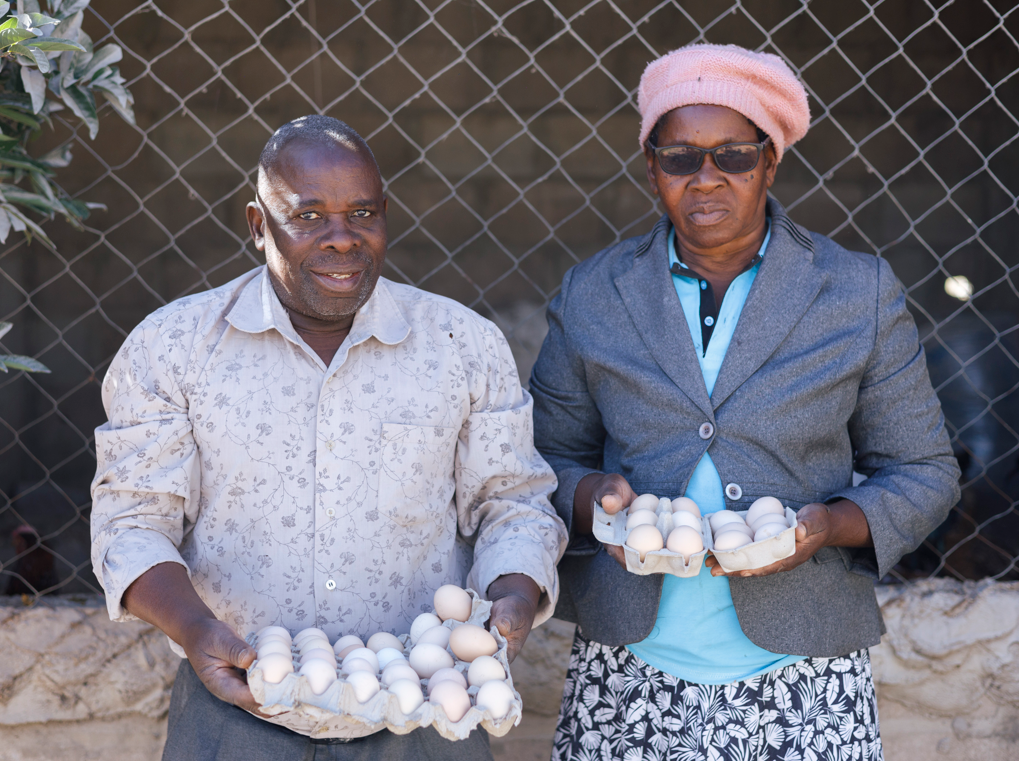
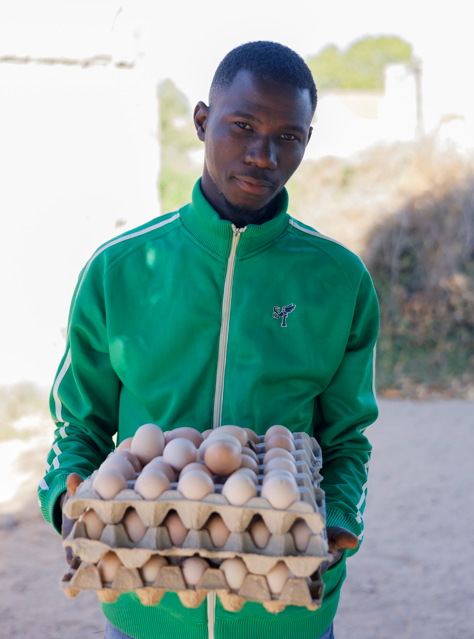
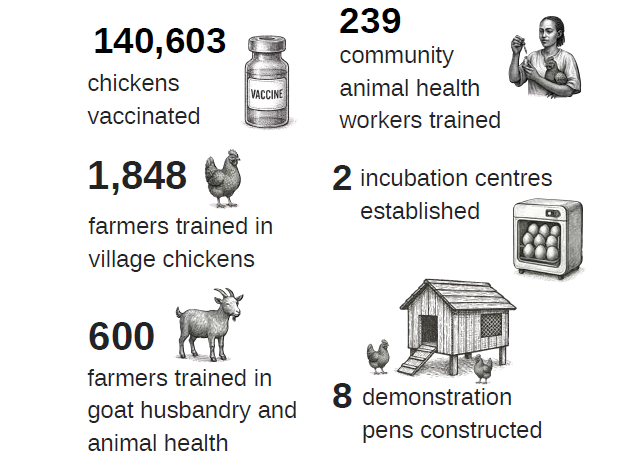
In partnership with IITA, Kyeema is contributing to the Accelerated Innovation Delivery Initiative (AID-I) Mozambique, a regional program working across 12 countries to scale agricultural innovations through local systems.
In Mozambique, the focus is on expanding access to climate-resilient poultry and goat farming practices while building the capacity of local actors to sustain and scale them.
Kyeema’s role involves leading inclusive, community-based interventions in selected districts of Nampula and Zambézia, engaging farmers, training local vaccinators, and strengthening partnerships with farmer associations, agro-dealers, and extension officers.
By combining IITA’s research expertise with Kyeema’s practical experience, the AID-I partnership is helping build a resilient foundation for future livestock entrepreneurship in rural Mozambique.
“By working closely with IITA and local stakeholders, we’re helping to embed livestock innovation into communities that are driving their own food and income security.”
– Rosa Costa, Country Director, Mozambique
Supporting Village Chicken Businesses for Women in Marracuene
Donor: DFAT Australian NGO Cooperation Program (ANCP)
Location: Marracuene, Mozambique
This project supports vulnerable women in Mozambique, including those living with disabilities, to build sustainable poultry businesses and improve their livelihoods. Through an integrated, community-led model, the project strengthens every link in the local poultry value chain, from breeding and fattening to sales and market access.
At the heart of the model is the use of Boschveld chickens, a hardy and improved native breed well-suited for local conditions. The project equips participants with practical training, startup resources, and ongoing mentorship to help them succeed as poultry entrepreneurs.
The value chain follows a circular, selfreinforcing system ensuring sustainable access to local markets.
In 2024, this system not only surpassed its breeding and sales targets but also catalysed remarkable entrepreneurial spirit among the women involved. With training in husbandry, feed formulation, and business skills, participants are now growing their enterprises, increasing household income, and investing in their families’ futures.
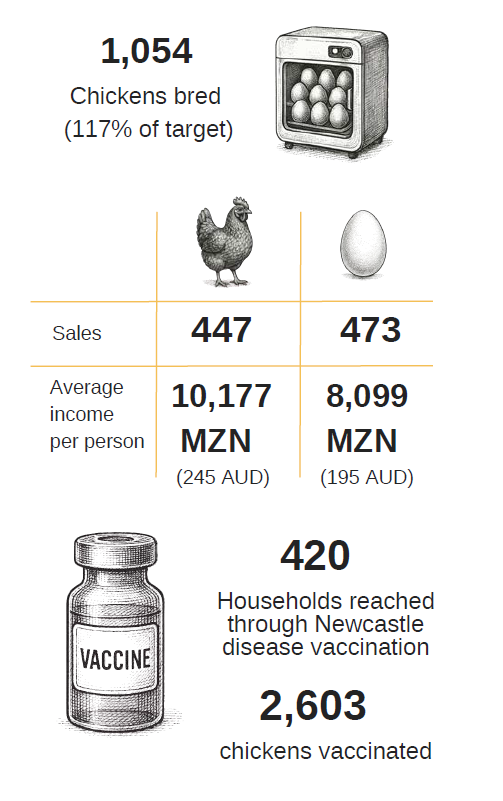
“One of the most exciting aspects of the project this year has been the rapid uptake of market-based approaches by women participants. Many are going beyond traditional sales channels using WhatsApp groups, door-to-door sales, and even coordinating group transport to larger markets”.
– Ana Zandamela, Kyeema’s Mozambique Program Coordinator