
Mr Selishi: the vet vendor keeping Sidama’s chickens vaccinated
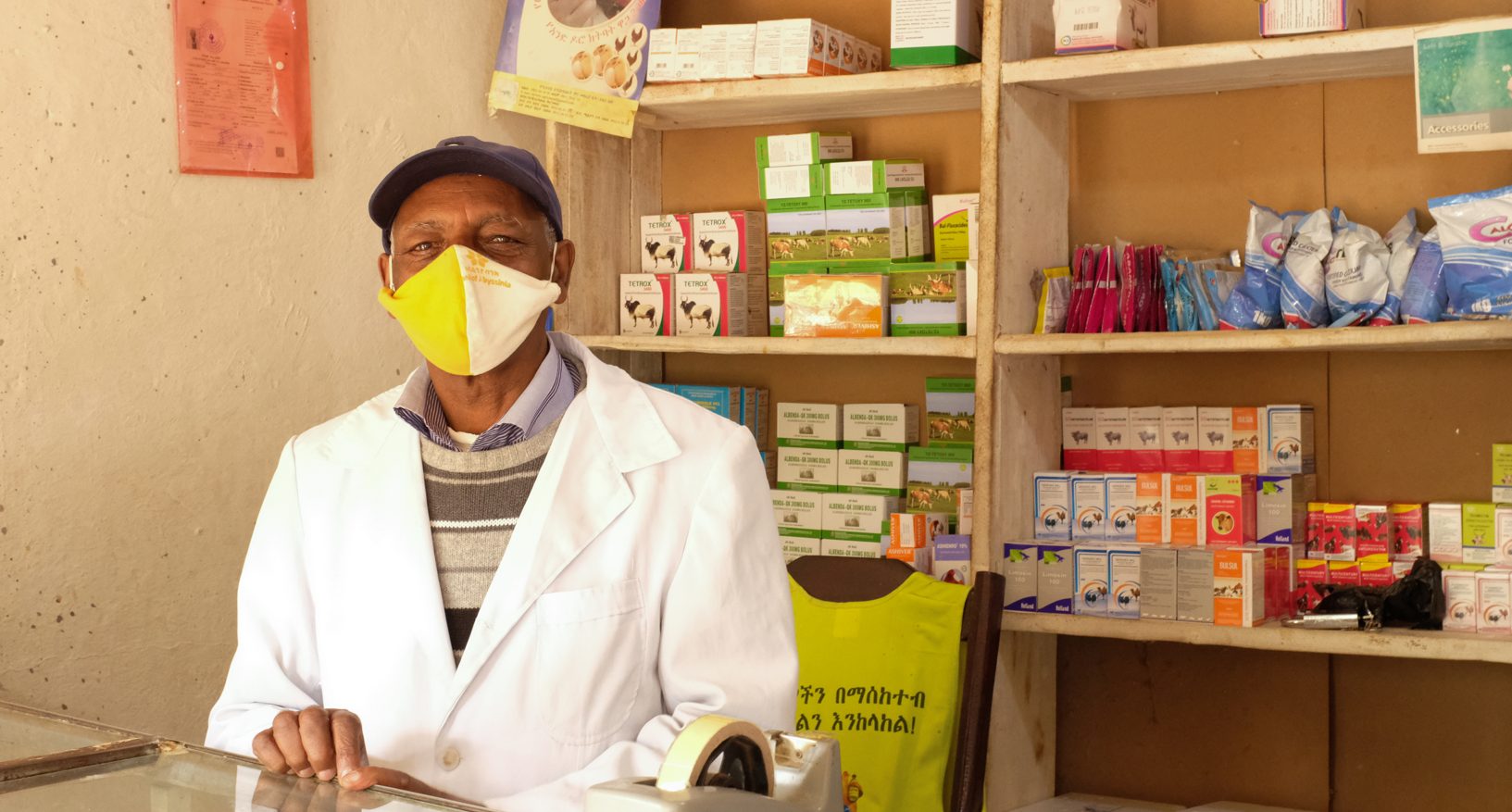
In Aleta Wondo, a district in Ethiopia’s Sidama region, Mr Selishi has run a veterinary store for years, stocking refrigerated vials of Newcastle disease vaccine for the community vaccinators who protect village chickens across the district. For five years, he’s played a quiet but critical role in the program’s success.
Mr Selishi has supported Kyeema’s community-led poultry vaccination program for five years. From the outset, he made a decision that was never required of him: letting community vaccinators take vaccine vials on credit, to be paid back after each vaccination campaign.
It’s a system Kyeema’s training encourages but never mandates, and one that carries real financial risk for a small business owner. Vaccinators need cash upfront to buy vaccine vials, and for many, that upfront cost is the difference between vaccinating their neighbours’ flocks and not vaccinating at all. Mr Selishi saw that barrier clearly, and decided his store would help remove it.
The early repayments weren’t always reliable, and Mr Selishi wore some small losses along the way. But the trust, once built, held. Vaccinators who might otherwise have dropped out of the program stayed engaged: vaccinating chickens, earning income, and repaying what they owed, campaign after campaign.
The results now speak for themselves. Aleta Wondo records the highest number of vaccinated chickens of any district in the project, with more than 80,000 vaccine doses sold through Mr Selishi’s store in the past year alone. It’s a two-way relationship: vaccinators get the flexibility they need to stay in business, and Mr Selishi’s store benefits from being the trusted supplier they keep coming back to.
Thank you, Mr Selishi, for your trust, your generosity, and your long-term commitment to Sidama’s vaccinators and to Newcastle disease control in your community.
Related Articles
 https://kyeemafoundation.org/wp-content/uploads/2026/09/Screenshot-2026-09-17-131752.jpg
877
1633
Kate Hampson
https://kyeemafoundation.org/wp-content/uploads/2022/07/Kyeema-Foundation-logo-400w-resize.png
Kate Hampson2026-09-17 16:24:402026-09-17 16:24:40Mr Selishi: the vet vendor keeping Sidama’s chickens vaccinated
https://kyeemafoundation.org/wp-content/uploads/2026/09/Screenshot-2026-09-17-131752.jpg
877
1633
Kate Hampson
https://kyeemafoundation.org/wp-content/uploads/2022/07/Kyeema-Foundation-logo-400w-resize.png
Kate Hampson2026-09-17 16:24:402026-09-17 16:24:40Mr Selishi: the vet vendor keeping Sidama’s chickens vaccinated https://kyeemafoundation.org/wp-content/uploads/2024/03/Feature-Image.png
664
665
Kate Hampson
https://kyeemafoundation.org/wp-content/uploads/2022/07/Kyeema-Foundation-logo-400w-resize.png
Kate Hampson2024-03-06 16:43:452024-03-06 16:43:45Improving Newcastle disease control program in villages of Ethiopia in support of “Yelemat Terufat” initiative
https://kyeemafoundation.org/wp-content/uploads/2024/03/Feature-Image.png
664
665
Kate Hampson
https://kyeemafoundation.org/wp-content/uploads/2022/07/Kyeema-Foundation-logo-400w-resize.png
Kate Hampson2024-03-06 16:43:452024-03-06 16:43:45Improving Newcastle disease control program in villages of Ethiopia in support of “Yelemat Terufat” initiative https://kyeemafoundation.org/wp-content/uploads/2023/04/WhatsApp-Image-2023-04-03-at-3.55.50-PM.jpeg
985
1080
Eliza Smith
https://kyeemafoundation.org/wp-content/uploads/2022/07/Kyeema-Foundation-logo-400w-resize.png
Eliza Smith2023-04-04 10:39:512023-04-04 10:40:25A New Relationship with Bahir Dar University
https://kyeemafoundation.org/wp-content/uploads/2023/04/WhatsApp-Image-2023-04-03-at-3.55.50-PM.jpeg
985
1080
Eliza Smith
https://kyeemafoundation.org/wp-content/uploads/2022/07/Kyeema-Foundation-logo-400w-resize.png
Eliza Smith2023-04-04 10:39:512023-04-04 10:40:25A New Relationship with Bahir Dar University